



The Definitive Guide to Painful Pimple Treatment: A Clinical and Holistic Approach by Endodermaworld
Waking up to a blemish is never a pleasant experience, but there is a specific kind of frustration reserved for the “painful pimple.” Unlike a standard whitehead that sits quietly on the surface, these deep, throbbing, and tender lesions can ruin your day before it even begins. They hurt when you wash your face, they hurt when you smile, and they seem to defy every over-the-counter cream in your cabinet.
At Endodermaworld, led by the specialized expertise of Dr. Priyal Singhal Garg (Dermatologist) and Dr. Neeraj Garg (Endocrinologist), we understand that a painful pimple is more than just a surface-level issue. It is a biological event involving inflammation, bacterial activity, and often, internal hormonal signaling. This guide will explore everything you need to know about painful pimple treatment, from the science of why they hurt to the advanced clinical solutions we offer in Mohali.
Part 1: The Anatomy of Pain – Why Do Pimples Hurt?
To treat a painful pimple effectively, we must first understand its origin. Most painful pimples fall into the categories of papules, nodules, or cysts.
1. The Inflammatory Response
When a pore becomes blocked by a “plug” of sebum (oil) and dead skin cells, it creates an anaerobic (oxygen-free) environment. This is the perfect breeding ground for Cutibacterium acnes. As the bacteria multiply, your immune system identifies them as invaders. It sends white blood cells to the area, resulting in redness, heat, and swelling. This internal pressure pushes against the sensory nerve endings in the dermis, which is why the area feels tender or “throbbing.”
2. The Depth of the Lesion
Surface-level pimples (blackheads and whiteheads) rarely hurt because they are located in the uppermost layers of the skin. Painful pimples, however, occur deeper in the dermis. Because the skin is more tightly packed in these deeper layers, the swelling has nowhere to go, increasing the physical tension and discomfort.
3. The “Blind” Pimple
You may have heard the term “blind pimple.” These are essentially nodules that have not yet—and may never—come to a “head.” Because they are buried deep within the tissue, the inflammation is trapped, making them some of the most painful lesions to manage without professional help.
Part 2: The Endodermaworld Advantage – The Hormonal Connection
One of the reasons Endodermaworld is a leader in skin health is our integrated approach. While many clinics only look at the skin’s surface, our team includes a Senior Consultant Endocrinologist.
Hormones are the “engine” behind painful pimples. Androgens, the male hormones present in both men and women, stimulate the sebaceous glands to produce excess oil. When these hormones fluctuate—due to the menstrual cycle, stress, or conditions like PCOD (Polycystic Ovarian Disease)—the oil becomes thicker and more prone to clogging pores.
By addressing the endocrine system alongside the dermatological symptoms, we provide a painful pimple treatment that doesn’t just clear current spots but prevents future ones from forming.
Part 3: What To Do (And What NOT To Do) at Home
When a painful bump appears, your first instinct is likely to “get it out.” However, your home-care choices will determine whether that pimple disappears in days or leaves a scar that lasts years.
The Danger of Squeezing
We cannot stress this enough: Never squeeze a painful pimple. Because these lesions are deep and lack a visible opening, squeezing forces the bacteria, oil, and debris sideways and deeper into the surrounding tissue. This can cause:
- Rupture of the follicle wall: Leading to massive internal inflammation.
- Cystic transformation: Turning a small bump into a massive, permanent cyst.
- Scarring: Creating “ice pick” or “boxcar” scars that require intensive laser therapy to fix.
Immediate Relief Steps
If you cannot get to our clinic immediately, follow these steps to manage the pain:
- Icing (The 5-5-5 Rule): Apply a clean ice pack for 5 minutes, take it off for 5 minutes, and repeat for 5 minutes. This reduces blood flow to the area, numbing the pain and decreasing redness.
- Hydrocolloid Patches: These act as a protective barrier. They prevent you from touching the spot and help keep the environment moist, which can sometimes encourage a deep pimple to move toward the surface.
- Benzoyl Peroxide Spot Treatment: A 2.5% or 5% benzoyl peroxide gel can help kill surface bacteria, though its reach is limited for very deep nodules.
Part 4: Clinical Painful Pimple Treatments at Endodermaworld
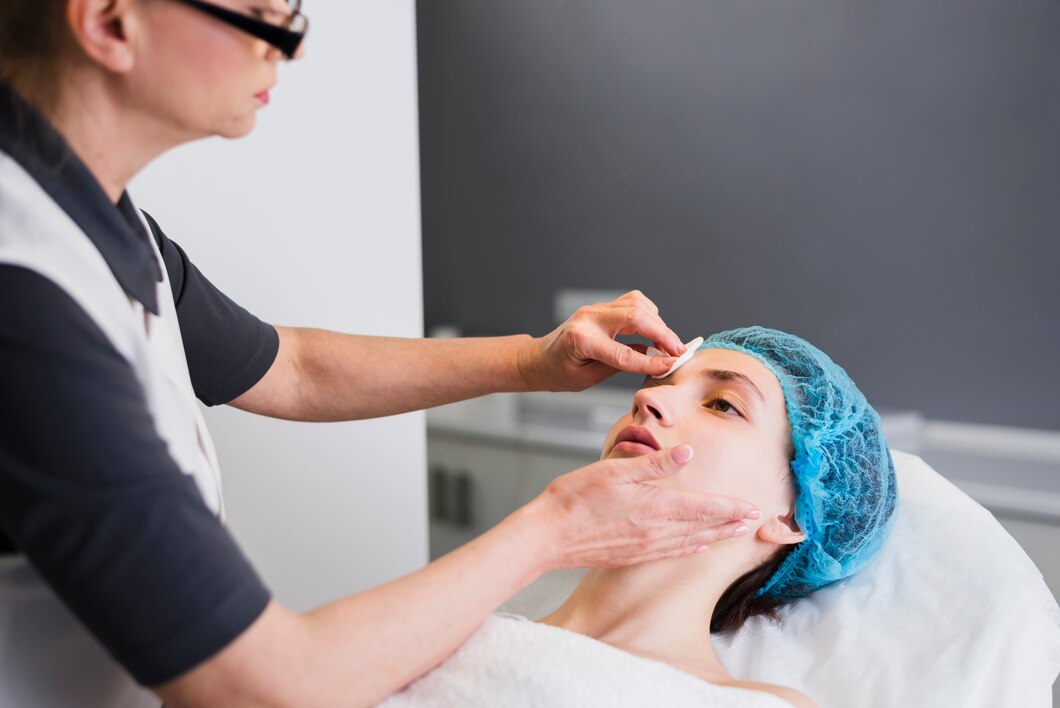
When home remedies fail, medical intervention is necessary. At our state-of-the-art facility, we offer several tiers of treatment depending on the severity of the breakout.
1. Intralesional Steroid Injections (The “Quick Fix”)
For many patients, this is a miracle treatment. We inject a very tiny, diluted amount of corticosteroid directly into the center of the painful nodule.
- The Result: The inflammation begins to subside within hours. By the next day, the pain is usually gone, and the bump has flattened significantly.
- The Benefit: It prevents the skin from stretching and tearing, which drastically lowers the risk of permanent scarring.
2. Medical-Grade Chemical Peels
We utilize specialized peels like Salicylic Acid and Black Peels. Unlike over-the-counter exfoliants, these medical-grade treatments penetrate deep into the follicular unit to dissolve the keratin plug. This is an excellent preventive treatment for painful pimple for those who suffer from chronic “blind” bumps.
3. Laser Technology: Tri-Beam Q-Switch and Carbon Peel
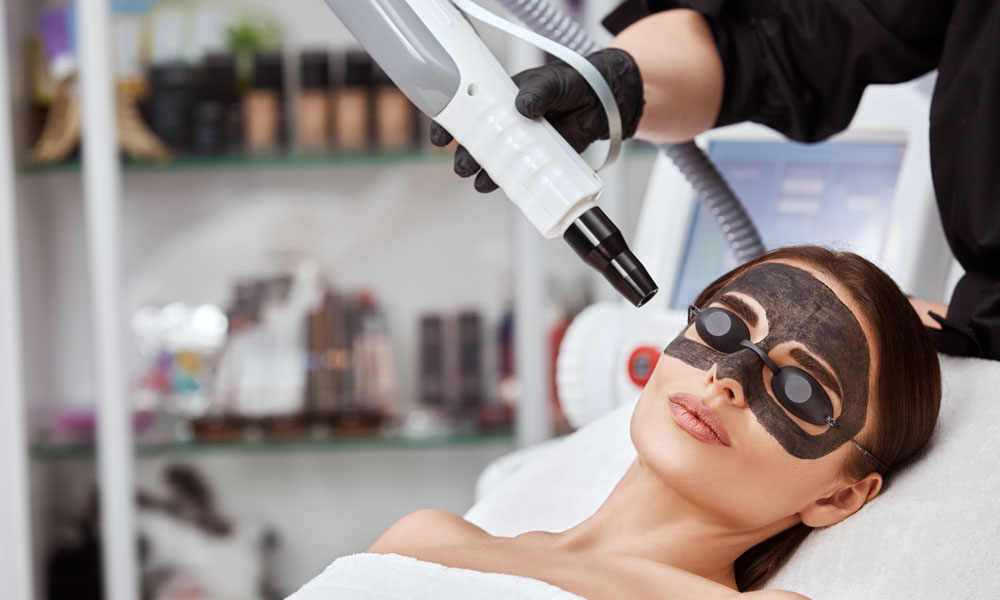
At Endodermaworld, we use the Tri-Beam Q-Switch Laser to target the vascular component of acne (the redness) and the Carbon Laser Peel to deeply cleanse pores and shrink oil glands. These lasers also stimulate collagen, which helps the skin heal faster after a major inflammatory event.
4. Vivace Microneedling RF
For patients whose painful pimples have left behind deep scars or persistent texture issues, the Vivace MNRF is our gold-standard solution. It combines microneedling with radiofrequency energy to tighten the skin and resurface the texture, erasing the “memory” of past acne.
Part 5: The Science of Your Skincare Routine
Treating a painful pimple requires a balance between “killing the bacteria” and “soothing the skin.” Over-treating can lead to a damaged skin barrier, which actually makes acne worse.
The Ideal Routine for Inflammatory Acne:
- Cleanser: Use a pH-balanced, non-foaming cleanser in the morning and a Salicylic Acid-based cleanser at night.
- Active Ingredients: Look for Adapalene or Tretinoin (Retinoids). These are the gold standard for regulating cell turnover so that pores don’t get clogged in the first place.
- Moisturizer: Look for “Non-Comedogenic” on the label. Ingredients like Ceramides and Hyaluronic Acid are essential to keep the skin hydrated while you use drying acne medications.
- Sunscreen: Inflammation + Sun = Dark Spots. Always protect your skin with a gel-based sunscreen like those recommended at our clinic.
Part 6: Lifestyle and Dietary Considerations
While “chocolate causes acne” is a myth, the link between diet and inflammation is very real. High-glycemic foods (white bread, sugary sodas, processed snacks) cause a spike in insulin. High insulin levels increase androgen activity, which leads to more oil and more painful pimples.
At Endodermaworld, we often suggest:
- A Low-Glycemic Index Diet: Focus on whole grains, fiber, and lean proteins.
- Stress Management: High cortisol (the stress hormone) directly triggers oil production.
- Hydration: Water doesn’t “flush out” acne, but it keeps the skin barrier resilient enough to handle medical treatments.
Part 7: Long-term Prevention and Maintenance
The goal of painful pimple treatment at Endodermaworld isn’t just to fix the bump you have today—it’s to ensure you don’t have one next month. This often involves:
- Maintenance Peels: Monthly light peels to keep the pores clear.
- Hormonal Balancing: Working with Dr. Neeraj Garg to manage conditions like Insulin Resistance or PCOD.
- Prescription Management: Adjusting topical or oral medications (like Isotretinoin or Spironolactone) as your skin evolves.
Conclusion
A painful pimple is a signal from your body that something is out of balance. Whether it is a temporary reaction to stress or a chronic symptom of a hormonal shift, you do not have to endure the discomfort alone. From the immediate relief of steroid injections to the long-term benefits of laser therapy and endocrine management, Endodermaworld offers a comprehensive path to clear skin.
Remember, your skin is a reflection of your overall health. By treating it with the medical expertise it deserves, you can move past the pain and reclaim your confidence.
Frequently Asked Questions (FAQ)
1. How can I tell if a pimple is “blind” or just a regular one?
A “blind” pimple is felt before it is seen. It usually presents as a hard, painful lump under the skin without a white or black center. If you press on the area and feel a deep, throbbing ache, it is likely a nodule or cyst that requires specialized painful pimple treatment.
2. Can Endodermaworld help with the dark marks left behind by painful pimples?
Yes! Those dark marks are called Post-Inflammatory Hyperpigmentation (PIH). We treat these using Q-Switch Lasers, Chemical Peels, and specialized brightening agents like Kojic Acid or Vitamin C, tailored to your skin type.
3. Does drinking more water help get rid of painful pimples?
While hydration is essential for general skin health and helps your skin heal faster, it cannot “wash away” an infection or a hormonal clog. Water is a support system, but medical-grade topicals or clinical treatments are usually necessary for inflammatory acne.
4. Is it true that dairy causes painful cystic acne?
For some individuals, yes. Certain hormones found in cow’s milk can interact with human hormones, leading to increased oil production. If you notice your painful breakouts flare up after consuming dairy, we may recommend a trial period of dairy-free living to see if your skin improves.
5. When is the best time to see a dermatologist for a painful pimple?
The best time is as soon as you feel it forming. Treating a deep pimple in its early inflammatory stage (the first 24-48 hours) significantly reduces the chance of it becoming a large cyst or leaving a permanent scar.
Leave a Reply