


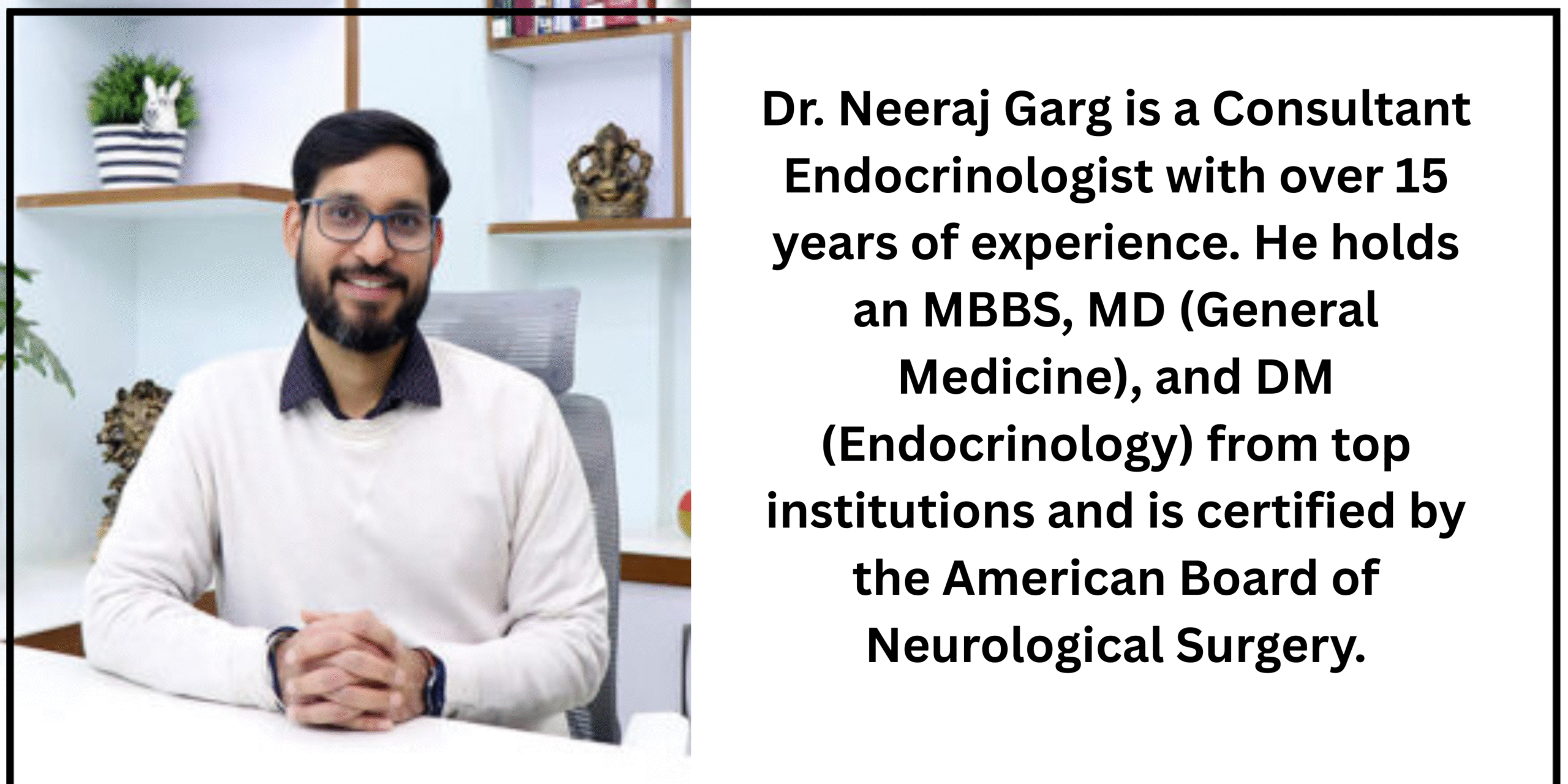
The human body is an exquisite, complex machine, and its most intricate communication network is the endocrine system. This system, a collection of glands that secrete hormones, acts as the body’s master regulator, silently overseeing everything from your mood and metabolism to your growth and fertility. When this delicate chemical balance is disrupted, the consequences can be profound, often manifesting as chronic, frustrating, and life-altering conditions—many of which, as we at Endodermaworld and our expert endocrinologist Mohali know, even show up on your skin.
For residents in and around Mohali, dealing with symptoms like persistent fatigue, unexplained weight changes, chronic blood sugar instability, or reproductive issues, the journey to wellness often leads to a specialist: the endocrinologist. However, modern, effective care goes beyond merely prescribing hormones. The leading specialists today, particularly those embracing a holistic and functional approach, are redefining recovery by treating the whole person, not just the hormone imbalance.
Decoding the Endocrine Labyrinth: Why Specialisation Matters
The endocrine system includes the pituitary, thyroid, parathyroid, adrenal glands, pancreas, ovaries, and testes. A tiny dysfunction in any one of these can have a systemic impact.
Hormones: The Master Conductors of the Body
Hormones are chemical messengers that instruct cells and organs on what to do. The sheer scope of their influence underscores the complexity of endocrinology:
- Metabolism & Energy: Thyroid hormones and insulin dictate how your body burns energy and manages blood sugar.
- Stress & Survival: Cortisol and adrenaline (from the adrenal glands) manage the body’s response to stress.
- Growth & Development: Growth hormone and sex hormones govern physical changes and maturation.
- Mood & Sleep: Hormones influence neurotransmitters, impacting sleep cycles and emotional stability.
When a patient visits an endocrinologist in Mohali, they are seeking a doctor trained in this complex, multi-system detective work. At Endodermaworld, our philosophy is rooted in understanding this systemic connection—recognizing that true health starts from within.
Phase I: The Holistic Diagnostic Deep Dive
The foundation of holistic recovery is a precise diagnosis that goes far deeper than a standard panel of blood tests. A functional endocrinologist operates with a mindset of identifying the root cause, not just the symptomatic hormone deficiency or excess.
A. The Comprehensive Patient Narrative
Before any lab test is ordered, the process begins with an exhaustive medical and lifestyle history. This involves a deep dive into:
- Environmental Factors: Exposure to potential Endocrine-Disrupting Chemicals (EDCs) found in plastics, pesticides, and personal care products. These chemicals can directly impact the skin and hair, an area of focus for Endodermaworld.
- Chronic Stress and Trauma: The profound, measurable impact of long-term psychological stress on the HPA (Hypothalamic-Pituitary-Adrenal) axis, leading to cortisol dysregulation. Elevated cortisol is a common culprit behind conditions like acne and poor wound healing.

- Gut Health: Recognizing that the gut microbiome plays a crucial role in hormone metabolism (including estrogen and thyroid hormones) and nutrient absorption. An imbalanced gut often leads to systemic inflammation, which can trigger skin conditions like psoriasis or eczema.
- Sleep Architecture: Detailed assessment of sleep quality and consistency, as sleep deprivation dramatically impacts insulin sensitivity and cortisol rhythms, accelerating cellular aging and dermatological issues.
B. Advanced Laboratory and Functional Testing
While conventional medicine relies on TSH, HbA1c, and basic glucose, the holistic approach utilizes sophisticated panels to reveal hidden imbalances:
| Test Type | Conventional Focus | Holistic/Functional Focus | Relevance in Mohali |
| Thyroid | TSH only | Full Panel (Free T3, Free T4, Reverse T3, TPO/Tg Antibodies) | High prevalence of autoimmune thyroiditis (Hashimoto’s), often linked to hair loss and dry skin. |
| Diabetes/Metabolism | Fasting Glucose, HbA1c | Fasting Insulin, C-Peptide, HOMA-IR Index, Leptin | Identifying pre-diabetes and insulin resistance before blood sugar spikes, critical for managing acanthosis nigricans. |
| Adrenal | Spot Cortisol | Diurnal Cortisol Rhythm (4-point saliva or urine test) | Mapping the body’s stress response throughout the day for burnout and fatigue, and its impact on stress-related skin flare-ups. |
| Sex Hormones | Total Estrogen/Testosterone | Metabolites, SHBG, DHEAS | Key for conditions like PCOS and male hypogonadism, which drive hormone-related acne and hirsutism. |
| Micronutrients | Standard Vitamins | Vitamin D, Magnesium, Zinc, B12, Iodine, Selenium | Addressing widespread deficiencies that are essential cofactors for hormone synthesis and skin barrier function. |
By conducting this detailed analysis, the Endodermaworld endocrinologist in Mohali can move beyond the ‘one-size-fits-all’ diagnosis and create a truly personalised treatment map, acknowledging the internal causes of external health issues—an approach also championed by the best endocrinologist in Chandigarh.
Phase II: The Pillars of Holistic Recovery
The holistic treatment plan is a powerful synthesis of targeted conventional medicine and evidence-based lifestyle interventions. It is structured around four interconnected pillars:
Pillar 1: Targeted Medical and Nutraceutical Intervention
This is where the precision of endocrinology meets the healing power of functional nutrition.
- Personalised Pharmacotherapy: For conditions where medication is non-negotiable (e.g., Type 1 Diabetes, severe hypothyroidism), the specialist fine-tunes the dosage based on continuous monitoring and the patient’s unique metabolic profile.
- Nutraceutical Support: The targeted use of supplements to address specific deficiencies uncovered in Phase I. For example, using Inositol for PCOS to improve insulin sensitivity, or Selenium and Zinc to support thyroid hormone conversion, both of which are crucial for maintaining healthy skin and hair structure.
- Hormone Restoration Therapy: Carefully considered bio-identical hormone replacement (when appropriate and indicated) to restore youthful balance, always monitored with strict lab work and assessed for dermatological benefits.
Pillar 2: Nutritional Biochemistry and Diet as Medicine
Diet is not a temporary fix; it is a long-term treatment modality. The goal is to modulate inflammation, stabilise blood sugar, and support gut health.
- Glycaemic Control: Moving beyond simple carbohydrate counting to focusing on low-glycaemic load foods and timed eating (e.g., time-restricted eating) to manage insulin and blood sugar stability. This directly reduces the drivers of inflammatory acne and skin aging.
- Inflammation Reduction: Implementing a nutrient-dense, anti-inflammatory diet, rich in Omega-3 fatty acids and antioxidants, to lower chronic inflammation (measured by markers like hs-CRP), which is a key driver of insulin resistance and thyroid autoimmunity, and consequently, many chronic inflammatory skin diseases.
- Gut Health Protocol: Utilizing probiotics, prebiotics, and specific fibre types to heal intestinal permeability and restore a healthy microbiome, thereby improving hormone detoxification and absorption and reducing systemic inflammatory triggers for skin issues.
Pillar 3: Mind-Body Connection and Stress Resilience
Chronic stress is perhaps the most overlooked cause of hormonal chaos. High, sustained cortisol levels wreak havoc on metabolism, sex hormones, and thyroid function.
- Adrenal Support: Interventions are designed to restore the HPA axis:
- Mindfulness and Meditation: Daily practice to shift the nervous system from sympathetic (fight-or-flight) to parasympathetic (rest-and-digest), calming the hormonal surge that can exacerbate conditions like eczema or hives.
- Adaptogens: The careful use of herbs like Ashwagandha or Rhodiola (under medical supervision) to help the body adapt to and recover from stress.
- Vagus Nerve Toning: Simple exercises like deep breathing or humming to directly influence the body’s primary stress regulator, fostering an internal environment conducive to healing.
- Sleep Optimization: Developing a non-negotiable sleep hygiene routine, including consistent timing and avoiding blue light, to allow the body’s critical nocturnal hormonal repair cycles to function, optimizing HGH release, which is essential for cellular repair and skin turnover.
Pillar 4: Movement, Metabolism, and Cellular Health
Exercise must be tailored to the specific hormonal imbalance.
- Insulin Sensitivity: Incorporating a mix of Resistance Training (building muscle to improve metabolic rate) and High-Intensity Interval Training (HIIT) (short bursts to maximise insulin sensitivity) is crucial for PCOS and Type 2 Diabetes management. Improved circulation from exercise also nourishes the skin.
- Thyroid Support: Focusing on low-impact, restorative movement like yoga or walking during periods of fatigue or hyperthyroidism, to support the body without causing further stress.
- Bone Health: Integrating weight-bearing exercises to combat the bone density loss often associated with hyperthyroidism, high cortisol, or long-term diabetes.
Phase III: Case Studies in Holistic Endocrine Care
The true value of this approach, championed by Endodermaworld, is seen in the management of specific, prevalent conditions in the Mohali region:
A. Polycystic Ovary Syndrome (PCOS)
PCOS is a complex metabolic and endocrine disorder driven largely by insulin resistance. The holistic model moves beyond mere oral contraceptives to mask symptoms:
- The Approach: Combination of a low-glycaemic load diet, inositol supplementation, targeted exercise for muscle building, and stress reduction.
- The Outcome: Restoration of regular menstrual cycles, significant reduction of hirsutism and acne (the dermatological manifestations of excess androgens), and improvement in fertility and weight management—addressing the root cause, not just the symptoms.
B. Chronic, Refractory Hypothyroidism
Many patients take the standard Levothyroxine dose but still report crushing fatigue and weight gain. This is often due to poor conversion of the inactive hormone T4 to the active T3, or ongoing autoimmunity.
- The Approach: Testing T3 and Reverse T3, and checking for TPO/Tg antibodies. Treatment involves optimising Selenium, Zinc, and Iodine intake, healing the gut (often the trigger for autoimmunity), and potentially supplementing with T3 if conversion is proven poor.
- The Outcome: Improved energy, resolution of brain fog, and weight stabilisation, and importantly, the resolution of extreme dry skin, brittle hair, and thinning eyebrows often associated with sub-optimal thyroid function.
C. Type 2 Diabetes Reversal and Remission
The goal is not just to lower blood sugar but to restore pancreatic function and reverse insulin resistance.
- The Approach: Intensive medical nutrition therapy, weight management, time-restricted eating (under supervision), and appropriate medication titration.
- The Outcome: Many patients achieve full diabetes remission, able to maintain healthy blood sugar levels without medication, simultaneously reversing dermatological signs of insulin resistance like Acanthosis Nigricans (darkening of skin folds) and chronic slow-healing sores.
Conclusion
The journey from a confusing diagnosis to robust recovery in hormonal health is one that demands partnership, precision, and a broad perspective. For those in Mohali, seeking an endocrinologist who embraces this holistic philosophy means choosing a path that respects the deep, interconnected complexity of the human body—internal chemistry and external appearance, often best guided by the expertise of the best endocrinologist Chandigarh.
At Endodermaworld, we believe in this integrated approach. Our model is not about quick fixes; it is about building a sustainable foundation for wellness by meticulously addressing diet, stress, sleep, movement, and the environment, alongside advanced pharmaceutical care. By empowering you with knowledge and a comprehensive treatment strategy, a holistic Endodermaworld endocrinologist offers more than just balanced blood reports—they offer a renewed sense of vitality, radiant health, and a permanent path to a healthier life.
Frequently Asked Questions (FAQs)
1. What is the difference between an ‘Endocrinologist’ and a ‘Holistic Endocrinologist’ at Endodermaworld?
An Endocrinologist is a medical doctor who specialises in the diagnosis and treatment of hormone-related diseases. A Holistic/Functional Endocrinologist at Endodermaworld integrates this medical expertise with a strong focus on identifying the root cause of the imbalance, using advanced testing and incorporating nutrition, stress management, gut health, and lifestyle changes into a comprehensive, personalized treatment plan, always considering the impact on skin health.
2. Why does Endodermaworld link hormone health with skin conditions?
Hormones directly regulate sebum production, collagen synthesis, inflammation levels, and cellular turnover, all of which are essential for healthy skin. For example, high androgens cause acne, while low thyroid hormones cause severe dryness and hair loss. By addressing the hormonal root cause, we achieve true, lasting dermatological improvement.
3. How long does it take to see results with a holistic endocrine approach?
Because the approach focuses on addressing chronic, underlying causes (like inflammation or gut dysfunction), it is a long-term strategy. While some patients may notice improved energy and sleep within the first 4-8 weeks, substantial changes in lab markers, significant weight shifts, or disease remission can take anywhere from 3 to 12 months of consistent adherence to the comprehensive plan.
4. What common skin problems are treated via your holistic endocrine care?
We frequently treat chronic, recurring issues such as hormonal acne, hirsutism (excessive body hair), extreme dryness, alopecia (hair loss), unexplained pigmentation (like melasma), and inflammatory skin conditions (like psoriasis or eczema) that are linked to underlying systemic inflammation or hormonal imbalances like PCOS or thyroid dysfunction.
5. What information should I bring to my first appointment at Endodermaworld?
You should bring a detailed list of all current medications and supplements, any recent blood test reports, a record of your symptoms, and details about your diet, exercise habits, and sleep patterns. Crucially, also bring a list of any recurring or chronic skin conditions you are experiencing, as this is a key diagnostic factor for our integrated approach.
Leave a Reply